
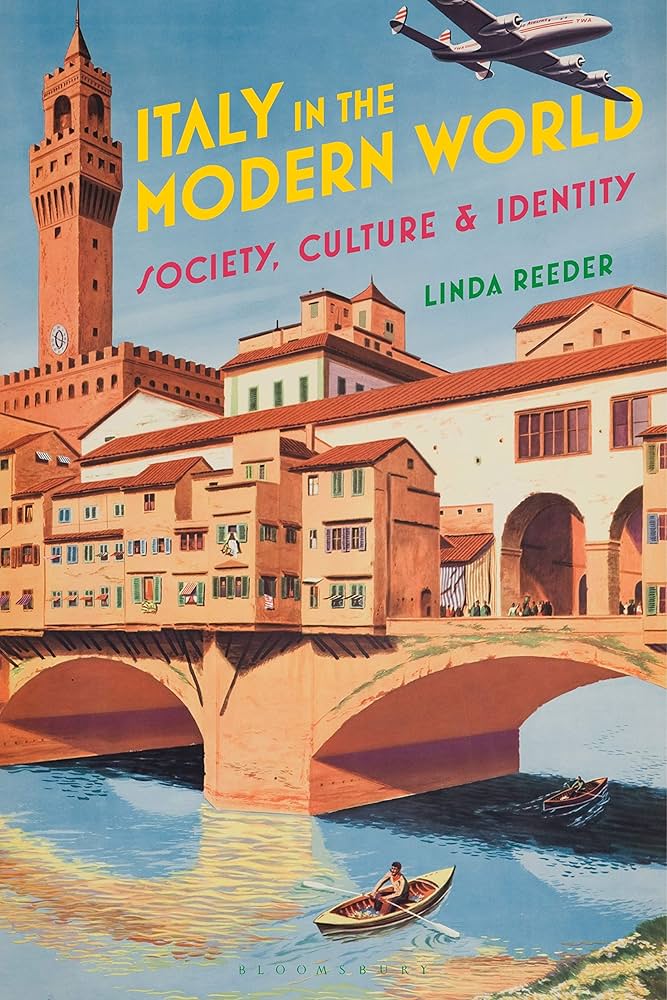
Italy’s literary heritage is renowned worldwide for its profound influence on Western literature, art, philosophy, and culture. From the divine verses of Dante Alighieri’s Divine Comedy to the pioneering narratives of Giovanni Boccaccio’s Decameron, Italy’s literary tradition is a rich tapestry woven through centuries of creativity and intellectual vigor. Its poetry and prose continue to resonate, reflecting timeless human experiences and evolving cultural landscapes.
The Foundations of Italian Literature
Italian literature began during the Middle Ages, and Dante Alighieri was rightfully called the “Father of the Italian language.” His poem, The Divine Comedy, not only determined today’s Italian language, but European literature, too. Sonnets by Francesco Petrarch, and by Dante, lit up Renaissance humanism and types of poetry globally. Poet of Florence.
Giovanni Boccaccio’s Decameron established a novella canon that legitimized social facts of the Black Death and opened up modern narrative fiction. The giants of the age during the Renaissance, Ludovico Ariosto and Torquato Tasso, dominated the age with unmatched epic poetry and Niccolò Machiavelli with political know-how capped by narrative talent forging political theory and literature.
Modern and Contemporary Contributions
The 20th century has also witnessed increasing voices and movements like neorealism, whose writers like Italo Calvino and Primo Levi penned novels challenging identity, politics, and the human condition. Writers like them were among the contemporary cult writers like Elena Ferrante who are cult writers wherever in the world, and the same has occurred with the revolution of Italian society with green psychological awareness and novelistic possibility.
Italy’s literary heritage is not inscribed but poetized writing that is enthralling Italy’s character, past, and multiculturality, the very being a testimony of continued cross-fertilization between past and future.
Significance Today and International Presence
Italian literature continues to flourish in the classroom, mass media, and on issues of culture, building national identity and global cultural relations. Questions posed by Italy’s major writers—nature, ethics, power, love—are just as applicable to the arts worldwide today.
Italian literature reminds us of issues of society like immigration, feminism, and technological progress of the modern world in a way that its cultural heritage is readily available to terms of the need language of the modern age. Apart from this, its literature translated into various other languages and literary events showcased in other nations give even greater awareness of Italian cultural heritage.
Conclusion
Italy’s poetic and literary tradition is the ever-enabling column of the middle ages of world and modern world civilization, wisdom and intellectual source. Italian literature, from middle age epic to novel, track man’s character symbolically in universality of interest, literary world heritage beneficent trait, and cultural intercourse dynamic determiner.