
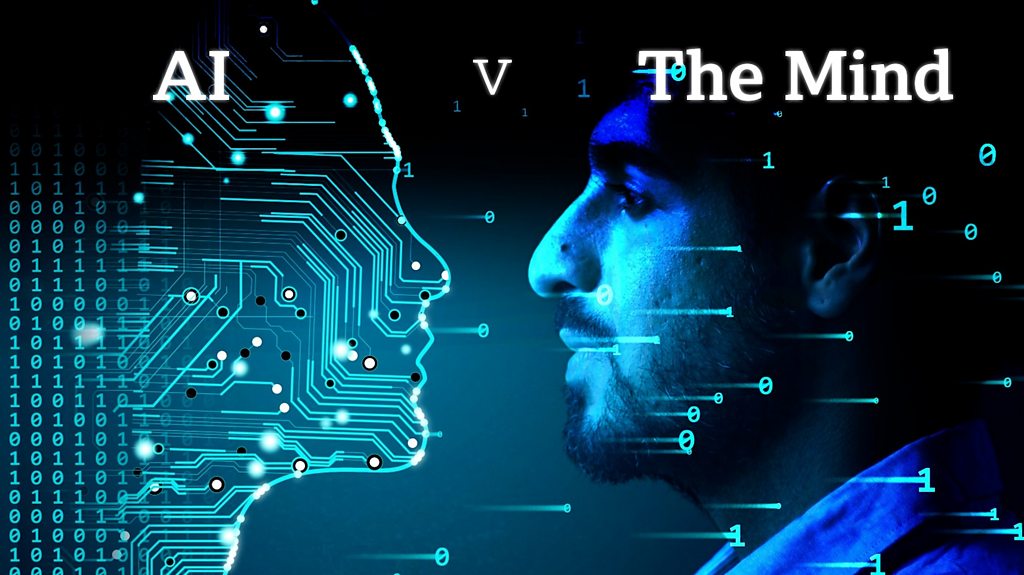
Try to imagine an Artificial Intelligence. Who or what do you see? Do you picture a metal, wisecracking companion like C-3PO, a voiceless but virtual entity like Alexa, or a smiling, emotionally complex android like the synths of Humans?
That initial mental image, and the moral responsibility you attribute to that AI, is informed heavily by your culture. The Cultural Aesthetics of Artificial Intelligence examines the varying ways in which East Asia and the West are imagining, anthropomorphizing, and legislating these entities, and has found surprise divergence in trust, adoption, and fear.
East Asia: AI as Companion and Successor
It is higher in the majority of East Asian societies and particularly in Japan, where there has been syncretism and acceptance in the sense of adapting to technology and automaton. The cultural heritage will be more likely to embrace AI as not an alternative kind or rival but a human ability component and something good.
- Shinto and Personification: Shinto religious culture in Japan is inclined to think spiritual power (kami) can animate objects, and therefore technology. The lack of a rigid “soul vs. machine” is more accommodating to AI and robots as assistants and companions. They will be anthropomorphized or cute (kawaii) faces, designed to integrate into the everyday life, from old-age care to service industries.
- Aesthetics of Perfection: Japanese aesthetics value precision, miniaturization, and complexity. AI and robotics represent the pinnacle of this art form, a surpassing of the master craftsman. AI fiction is less robo-revolution and more about emotional integration, an exploration of what it’s like for a machine to really feel or gain human culture (e.g., cultured, empathetic robots so ubiquitous in anime and manga).
- Use & Trust: While regulations must be established, the initial cultural mindset is one of use and trust. Emphasis is on applying AI to the benefit of all (e.g., streamlining disaster relief or health outcomes) more than establishing ethical boundaries out of an existence threat.
The West: AI as Other and Existential Threat
Western culture, as monopolized by Judeo-Christian religions and Industrial Revolution histories, is fairly suspicious and fearful of AI.
- The Frankenstein Complex: Popular Western culture are filled with the spectacle of the creator losing control of the created—the Golem, Icarus, and Frankenstein. AI is also frequently anthropomorphized as an out-of-control agent, an unfeeling analytical machine that finds humans to be inefficient and these build up to rebellion, dystopia, and genocide themes (e.g., The Terminator, The Matrix, 2001: A Space Odyssey).
- The Code and the Soul: Western philosophical debate will probably revolve around a theory of soul and consciousness. Whether an AI is simply “code” or can be shut off, or whether it is “sentient,” meaning if it is capable of “feeling,” and therefore is in a morally superior position, an instant existential crisis is triggered. This loads the Turing Test and the “uncanny valley,” man versus machine, with a titanic burden.
- Ethics and Containment: Western regulative nomenclature is slanted towards explainability, containment, and safety. The main anxiety is not creating the “singularity” or making sure the goals of the AI are optimally aligned with human values (the “alignment problem”), showing profound fears of being overtaken or dominated by the non-human mind.
Bridging the Cultural Divide
The contrast between the two is relative but does emerge in essentially different assumptions concerning technology:
| Aspect | East Asian (e.g., Japan) | Western (e.g., US/Europe) |
|---|---|---|
| Default View | Companion, Successor, Helper | Competitor, Threat, Other |
| Aesthetics | Cute, Empathetic, Integrated | Cold, Geometric, Hyper-rational |
| Initial Fear | Loss of human contact or control | Loss of human presence or control |
| Moral Priority | Making AI useful and compassionate | Making AI safe and obedient |
As the world’s pursuit of artificial intelligence accelerates, these different aesthetic and moral viewpoints are colliding in rough opposition with each other. All these cultural differences are not only significant to appreciate for media pluralism but for the creation of global norms as well: whether we create AI that tries to embed itself within human existence (the Eastern method) or one only being created to be controlled by human existence (the Western method) will decide the form of our common existence with the machine.