
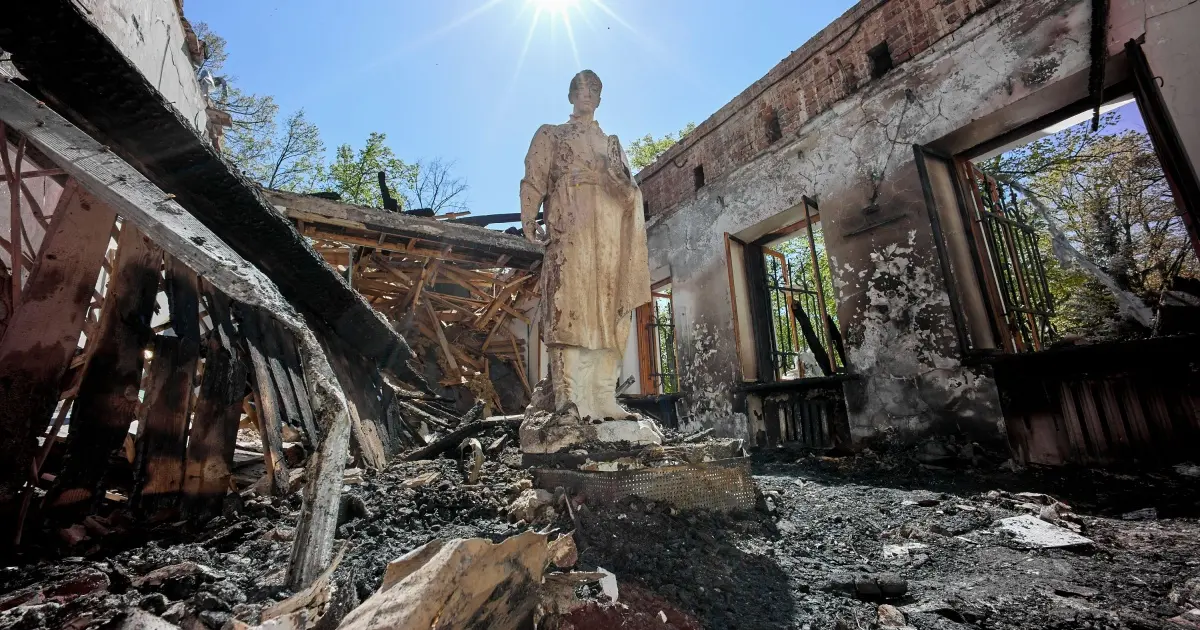
In times of war and political conflict, cultural heritage as part and parcel of shared identity and history is too frequently a target in itself. Beyond even material destruction, the weaponization of cultural identity has taken a new form in the age of the internet, as online media and platforms increasingly have the power to systematically erase, appropriate, or exploit the histories, symbols, and narratives of targeted groups.
Cultural heritage, or monuments, languages, traditions, and artifacts, is the people’s soul. When they are targeted or manipulated, it is not merely a loss of physical assets but an assault on the identity, dignity, and existence of a people. Such weaponization demoralizes populations, legitimizes violence, and disseminates divisive ideologies.
Online spaces amplify this threat in novel and unforeseen manners. Social media, streaming, and other online channels can stream Photoshopped images and disinformation that rewrite history or erase the presence of groups. Algorithms can prioritize for-separating or incendiary content, creating echo chambers which perpetuate conflict. Virtual theft or symbol appropriation of cultures—used out of context to justify violence or exclusion—adds another layer of cultural trauma.
For example, in recent conflicts, groups have delegitimized others’ cultures by digital narratives, erased languages by suppressing digital content, and diminished cultural icons by disseminating misinformation campaigns. This erasure can be subtle and insidious, spreading far before it can be answered to effect.
The global community is at a turning point in protecting cultural heritage both physically and digitally. Protecting digital archives, providing authentic and diverse narratives, and holding platforms accountable for misuse are crucial steps. Organizations responsible for heritage preservation are increasingly looking to hire technology professionals for protecting cultural memory from digital appropriation and destruction.
This crisis reminds us that culture is not just something from the past but a living expression of identity and of humanity. In conflict zones, safeguarding cultural heritage—from the material to the digital—is also safeguarding people’s rights and dignity who belong in those cultures.