
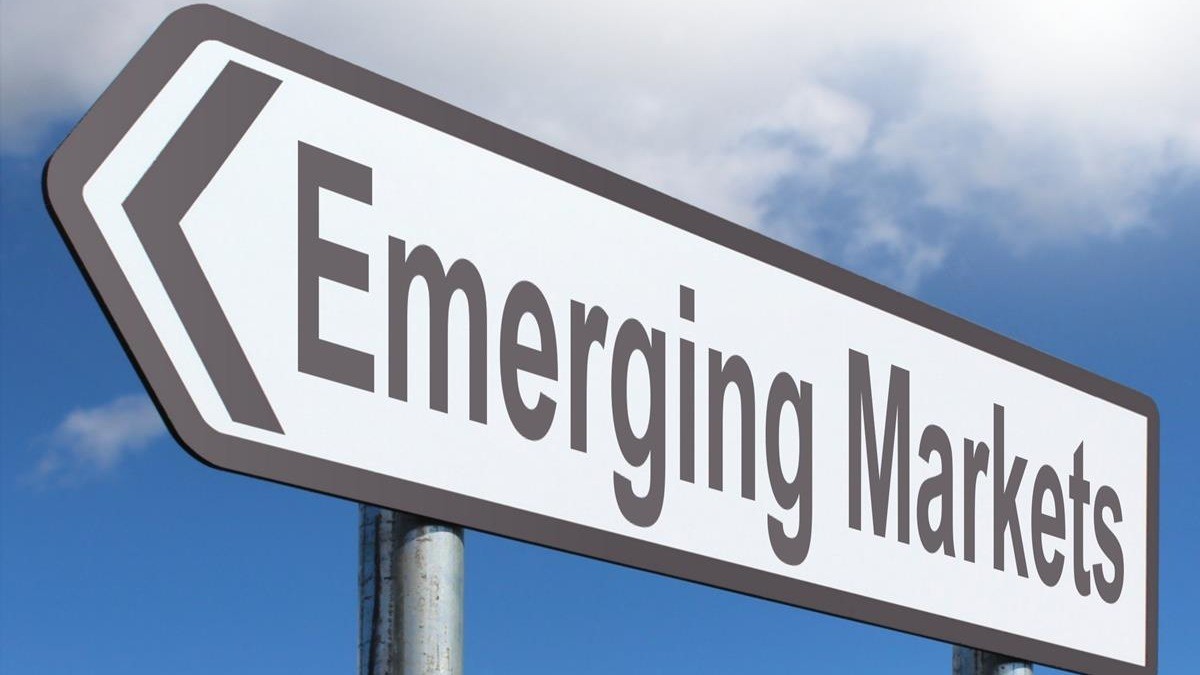
The New Engine Room: Why Emerging Markets are the Key to Sustained Global Growth
For decades, it was simple: the developed nations-the G7-were the major consumers and innovators, with developing nations supplying them. That’s history. Today, the world is looking increasingly to Emerging Markets-EMs is the new catch-all for the giants, China and India, as well as rapidly modernizing economies in Southeast Asia, Latin America, and Africa-to keep the global growth engine running.
These markets are no longer passive receivers of developments elsewhere, but they have instead become a primary source of dynamism and a critical buffer to slowdowns in the West.
The Demographic and Urbanization Advantage
Why are EMs stepping into this vital role? The answer lies in some key structural advantages that the developed economies simply cannot match:
Favorable demographics: Unlike aging populations in Europe or Japan, many EMs, especially in India and Africa, have large, young, and growing working-age populations. This demographic dividend supplies the required workforce for sustained production and innovation.
The Boom in Urbanization: With rapid urbanization, there is a huge demand for new dwellings, utilities, transport, and services. Such a huge infrastructure demand exerts a strong multiplier effect in inducing extended internal economic activity.
Catch-Up Growth: EMs benefit from the “catch-up” potential. They can use available technologies and best practices without having to reinvent the wheel; as such, they are able to modernize sectors and raise productivity considerably faster than economies already at the technological frontier.
The Power of the Emerging Middle Class
The most immediate and significant contribution of EMs to world growth comes through their surging consumer demand.
As millions of people leave poverty behind and head for the middle class across Asia and South America, their spending power shifts the centre of gravity for global trade. They create new huge markets for everything from automobiles and electronics to education and tourism.
This growing class ensures that even if consumption slackens in North America or Europe, demand for manufactured goods and services continues to be robust on a global scale. In other words, EMs are rapidly replacing established markets as the consumers of last resort for the world.
Resilience and the Decoupling Effect
Previously, a recession in the U.S. or Europe would have practically ensured a global downturn, but today EMs show increasing resilience.
These countries, though exposed to international financial shocks, have managed to diversify their trade partners and set up rather solid ground for their domestic economic bases. This has resulted in at least some degree of decoupling from the G7 economic cycle. Strong internal trade within Asia or between African nations sustains momentum well even during challenging periods in the West.
This resilience contributes to global stability insofar as economic shocks remain confined, rather than spilling over into a synchronized worldwide contraction.
Road Ahead: Challenges The role that EMs provide is important, though not without risks.
Debt Vulnerabilities: Many EMs carry high levels of public and private debt, leaving them vulnerable to changes in global interest rates and currency fluctuations.
Political and Geopolitical Risks: Instability, policy uncertainty, and geopolitical conflicts can quickly erode investor confidence and halt infrastructure projects.
Inequality and Sustainability: Making sure growth is inclusive and environmentally sustainable remains a massive challenge. Failure to deal with either wealth inequality or climate change could undercut stability in the longer term.
In short, the trend is unstoppable: the Emerging Markets have come of age as the main drivers of global economic growth, providing the essential growth rates and consumer demand that the world requires. Policies and partnerships that take that new reality into account can help sustain the global economy, allowing the EMs to surmount the challenges they are facing and their continued rise to be good for all.