
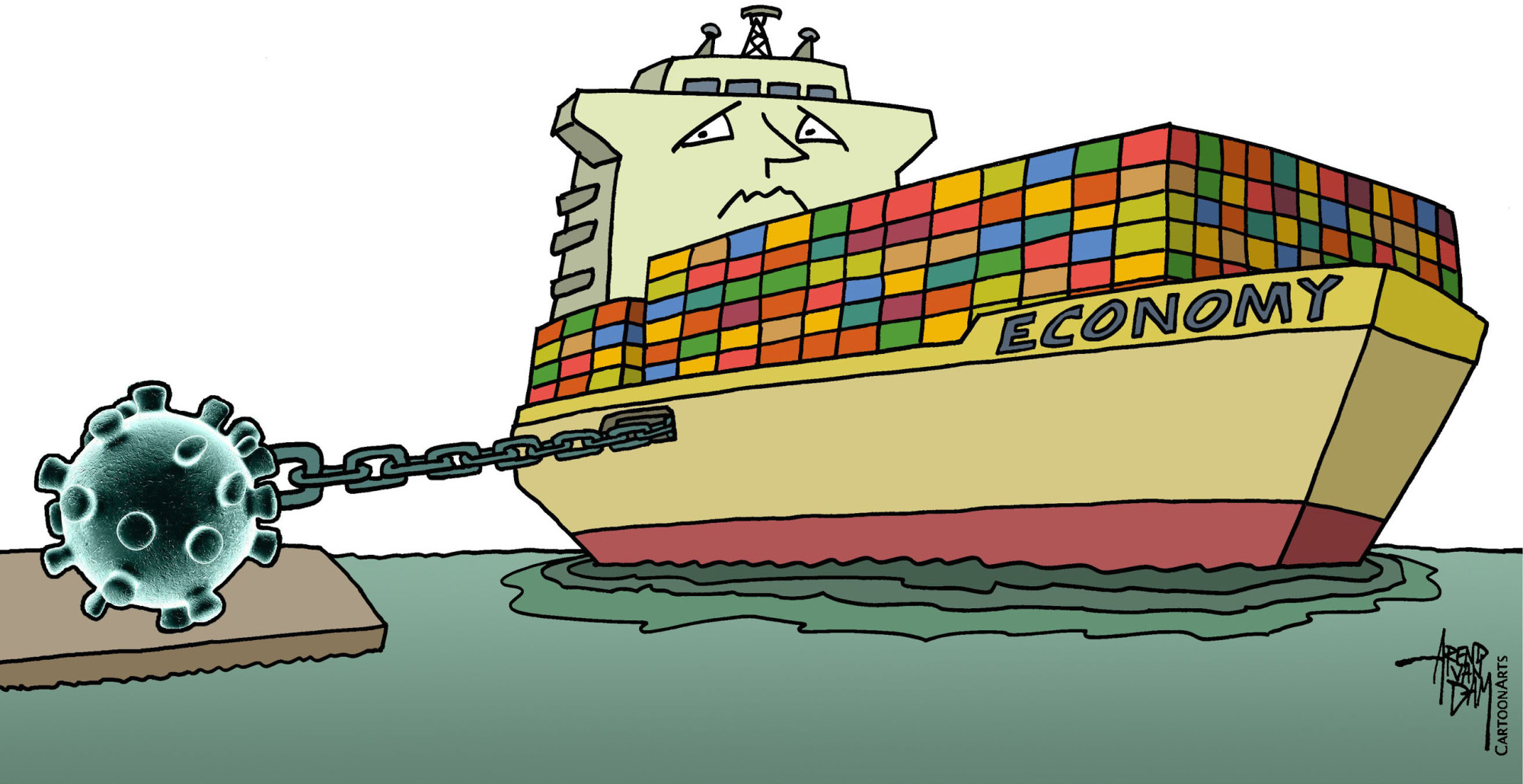
The Nature of Global Supply Chain Disruptions
Lockdowns and controls caused production stoppages, factory closures, and transportation halts, unleashing record bottlenecks in supply of essential goods from raw materials through consumer electronics. The Global Supply Chain Pressure Index at the Federal Reserve reported an unprecedented peak in disruptions beginning early 2020 with ongoing high pressures throughout 2021 as demand returned stronger more quickly than supply could match. These shocks spread globally to magnify economic setbacks through interdependent networks of trade.
In addition to that, geopolitical crises and natural disasters contributed to risks, highlighting the multilateral drivers of supply chain susceptibility. Notably, disruptions were linked to physical supplies shortages but as well with shifting consumers’ requirements, labor shortages, and logistics.
Economic Resilience and Strategic Responses
The reality that supply chains have a tendency to amplify economic shocks signifies the importance of resilience activities. Firms and policymakers are more interested in investing in:
- Diversification of supply sources: Reducing reliance on sole suppliers or spots by having multiple, scattered alternatives to break localized chain disruptions.
- Inventory buffers: Steering clear of ultra-lean inventories so there are safety stocks that can absorb the shock without inducing production shutdowns.
- Nearshoring and friend-shoring: Locating production nearer to final markets or geopolitically friendly countries to reduce long-distance logistical risks as well as geopolitical risks.
Such policies have resilience vs. efficiency trade-offs, with more resilient supply chains costing more and involving more initial capital but less subsequent exposure to shocks.
The Broader Economic Impact
Supply chain disruptions are channels of transmission of shocks between economies, which affect inflation, production, and trade volumes. Throughout the recovery from the pandemic, chronic bottlenecks moderated growth in output and contributed to propelling prices higher, testing monetary policy and financial stability.
However, investments in resilience yield returns by minimizing recovery periods and ensuring supply stream stability, the key to sustained economic growth. Resilience is backed by government with infrastructure investment, trade facilitation, and digitalization pushing to provide greater transparency and responsiveness.
The Way Forward: Creating Dynamic and Responsive Supply Chains
Life after the pandemic demands, not only reactive, but agile supply chains, capable of coping with shocks. Digital technology like AI-driven demand forecasting, real-time tracking, and blockchain certification of supplies become increasingly critical in coping with unexpected events.
International coordination and coordinated policy remain because supply chains are globally interconnected. Increased transparency, data sharing, and coordination of joint crisis handling could reduce the severity and duration of disruptions so the world is economically better able to withstand them.
Conclusion
The crisis brought into focus the exposure of international supply chains and their pivotal role in economic resilience. Diversification, inventory management, and technological advancement are crucial to create resilience in an effort to contain prospective shocks. These initiatives render supply chains resilient pillars holding up lasting economic development and recovery in the very interconnected, uncertain world.
Achieving this equilibrium between resilience and efficiency will construct economic security and competitiveness in the post-pandemic era and enable global supply chains to better manage future disruptions inevitable.