
Revolutionizing Banking and Payment Systems
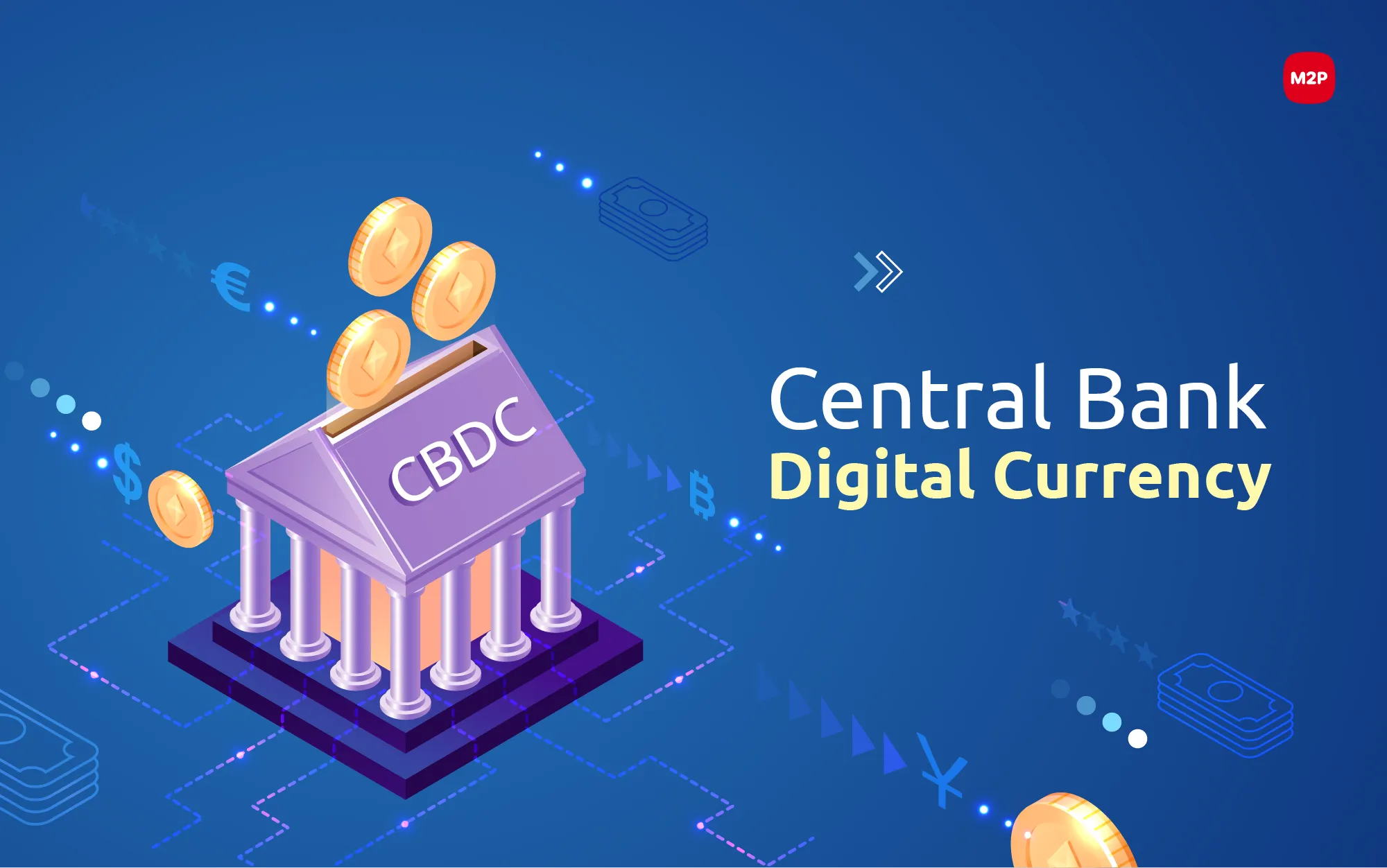
CBDCs are digital forms of a country’s fiat currency, issued and managed by the central bank. CBDCs, unlike cryptocurrencies, are stable and central, backed by the full credit of the issuing country. They are designed to supplement cash and traditional bank deposits as a secure, convenient, and effective payment method for citizens to use anywhere, anytime.
By providing an interface to central bank money in digital form, CBDCs would reduce the dependency on commercial bank money during transactions. This disintermediation effect would lead to reduced bank reserves and deposits and therefore impact the banks’ liquidity, lending ability, and profitability directly. Banks would also face new competitive stress and be forced to reform their business models due to altering deposit bases and interest income streams.
Enhancing Payment Efficiency and Inclusion
CBDCs have the power to revolutionize payment systems by rendering payments faster, cheaper, and more transparent both domestically and internationally. Since blockchain or distributed ledger technology is likely to follow CBDCs, settlement times for payments can come down quite far, reducing counterparty risk and costs of operation.
Apart from that, CBDCs will further enhance financial inclusion through providing digital payments to the underbanked or unbanked population without having a traditional bank account. Digital wallets by means of financial services under CBDCs can provide seamless financial services and hence enhance economic participation as well as fight against poverty-induced financial exclusion.
Privacy, Security, and Regulatory Considerations
The roll-out of CBDCs includes addressing sophisticated privacy and cybersecurity issues. Central banks must develop systems providing transparency in a bid to combat criminality while including sufficient privacy elements for the users. More stringent regulatory regimes must be implemented to protect the user information, provide the required data protection needs, and guard against fraud or cyber attacks.
In addition, the creation of CBDCs has implications for the transmission of monetary policy and financial stability. To illustrate, a transition from commercial bank deposits to CBDCs could make banks either become much more reliant on wholesale funding, which can be more volatile and expensive, and strengthen systemic risk unless managed.
Opportunities for Innovation and Economic Growth
CBDCs also enable programmable money features that can be applied with automated contracts, electronic identity verification, and certain fiscal policy tools such as public welfare or direct stimulus payments. Programmability can be leveraged by governments to ease remunerations, reduce corruption, and develop new business models for industry sectors like supply chain finance and e-commerce.
Economies embracing CBDCs can gain enhanced competitiveness of digital financial services and superior infrastructures for speeding up innovation cycles in lending, payments, and financial services.
Conclusion
Central Bank Digital Currencies have the potential to revolutionize banking and payments by inheriting the security and trust of sovereign money and the efficiency and convenience of digital technology. They possess revolutionary benefits such as quicker payment speed, financial inclusion, and new-age features but pose huge financial stability and privacy risks.
Banks, regulators, and businesses must prepare for the effect of CBDCs by coming up with responsive actions involving risks and capitalizing on opportunities to increase financial infrastructures and stimulate economic engagement for more people. As countries come close to introducing CBDCs officially, good governance, transparent regulatory practices, and public trust will be paramount to unleash their full potential in the new financial system.