
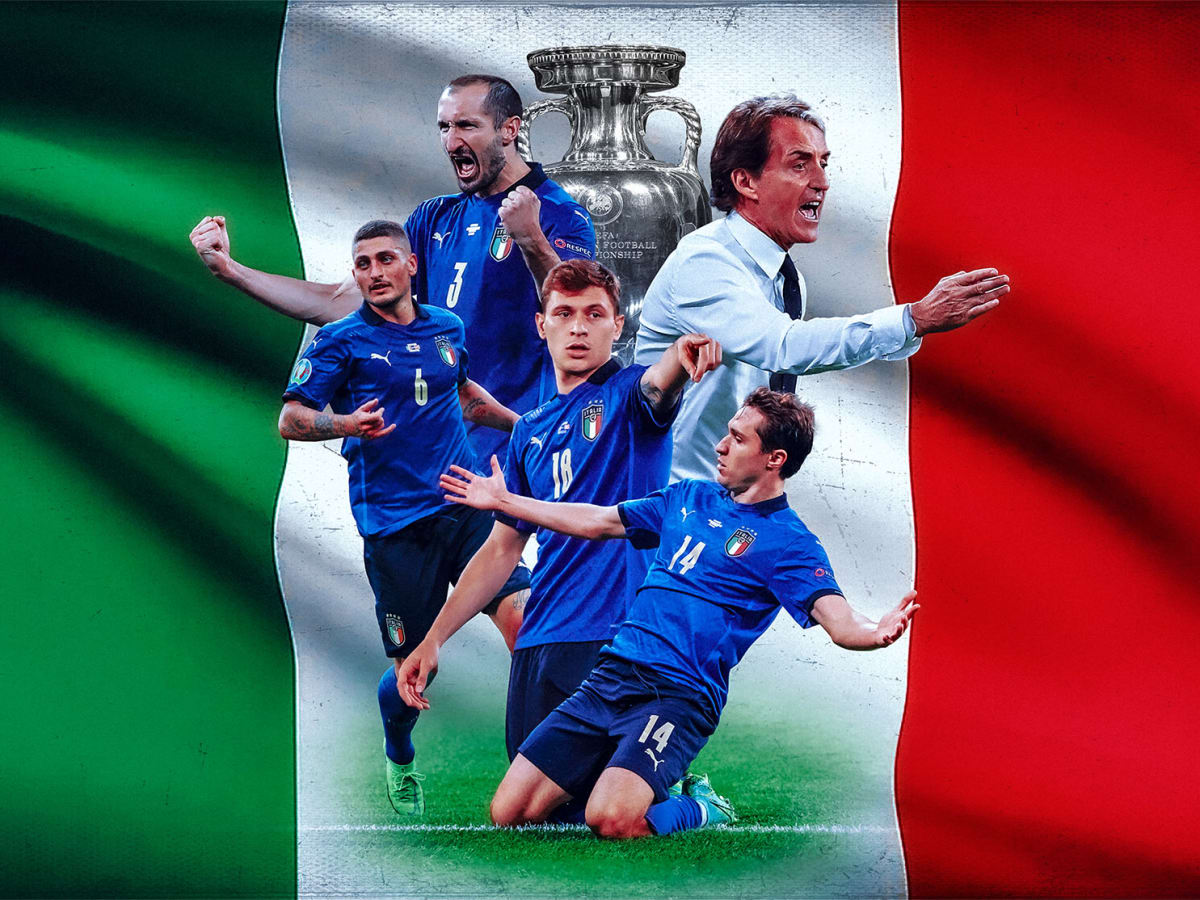
Not multicultural but multi-faceted too is Italian society, and sport an essential part of its past, values, regional identity, and social life. Sport brings Italians together in one passion and public spectacle of football-mad stadium crowds with ancient local games.
Football: The National Passion
Calcio, or football, is the sport of choice in Italian sporting culture and a strong barometer of Italian identity. Even though the game originated centuries ago, the game was modernized with standardized rules in the late 19th century in the establishment of clubs such as Genoa CFC in 1893. Serie A—the professional premier league—has world-class clubs such as Juventus, AC Milan, and Inter Milan and faithful fans nationwide.
Italian football is respected for its tactical awareness, defensive cohesion, and tradition. The four World Cup titles of the national team (1934, 1938, 1982, 2006) are the nourishment of national pride and popular euphoria that cuts across social cleavages. Football stadiums are affective ritual arenas where local and national identity mingle.
Traditional and Local Sports
Apart from football, Italian sport also possesses regional traditions in the sport. Calcio Storico in Florence since the 16th century is a form of rugby, soccer, and wrestling. The violent and physically demanding sport is an annual peculiar tradition rooted deeply in local culture.
The Palio di Siena, the bi-annual medieval horse race, is a good exemplar of civic passion and age-old town rivalries among the Italian towns. The competition and drama of the race help to emphasize the social cohesion and cultural heritage which sport seeks to attain.
Bicycling is symbolic, the Giro d’Italia displayed across the nation as test of endurance and tour of national landscape that creates heroes like Fausto Coppi and Gino Bartali.
Motorsport and Other Mass Sports
Formula 1, Ferrari-led—the Maranella Scuderia—is Italy’s pride in innovation at home and abroad. Basketball, rugby, volleyball, and winter alpine sports are fashionable at the moment, an offshoot of Italy’s geographic diversification and altered sporting interests.
Social and Cultural Significance
Sports events as shared experience that maintains family tradition and regional identity—reconfiguring public relations and collective memory. Sport is more than mere entertainment; sport is also a means of social mobility, youth development, and the transmission of values such as perseverance, co-operation, and discipline.
And, in addition, there is also the massive engagement of sport with education, mass media, and economic investment, which testifies to its positioning within Italian culture.
Conclusion
Italian sports cultural heritage ranges from football mania to indigenous and conventional sports with consistency of local origin. Not only entertainment, such sporting mosaic contains national identity and local identity, synthesis of folk soul, tradition, and modern-day culture of Italy. From stadium chants resonating in urban areas to medieval jousting and running, sport is a living testimony of the cultural identity of Italy.