
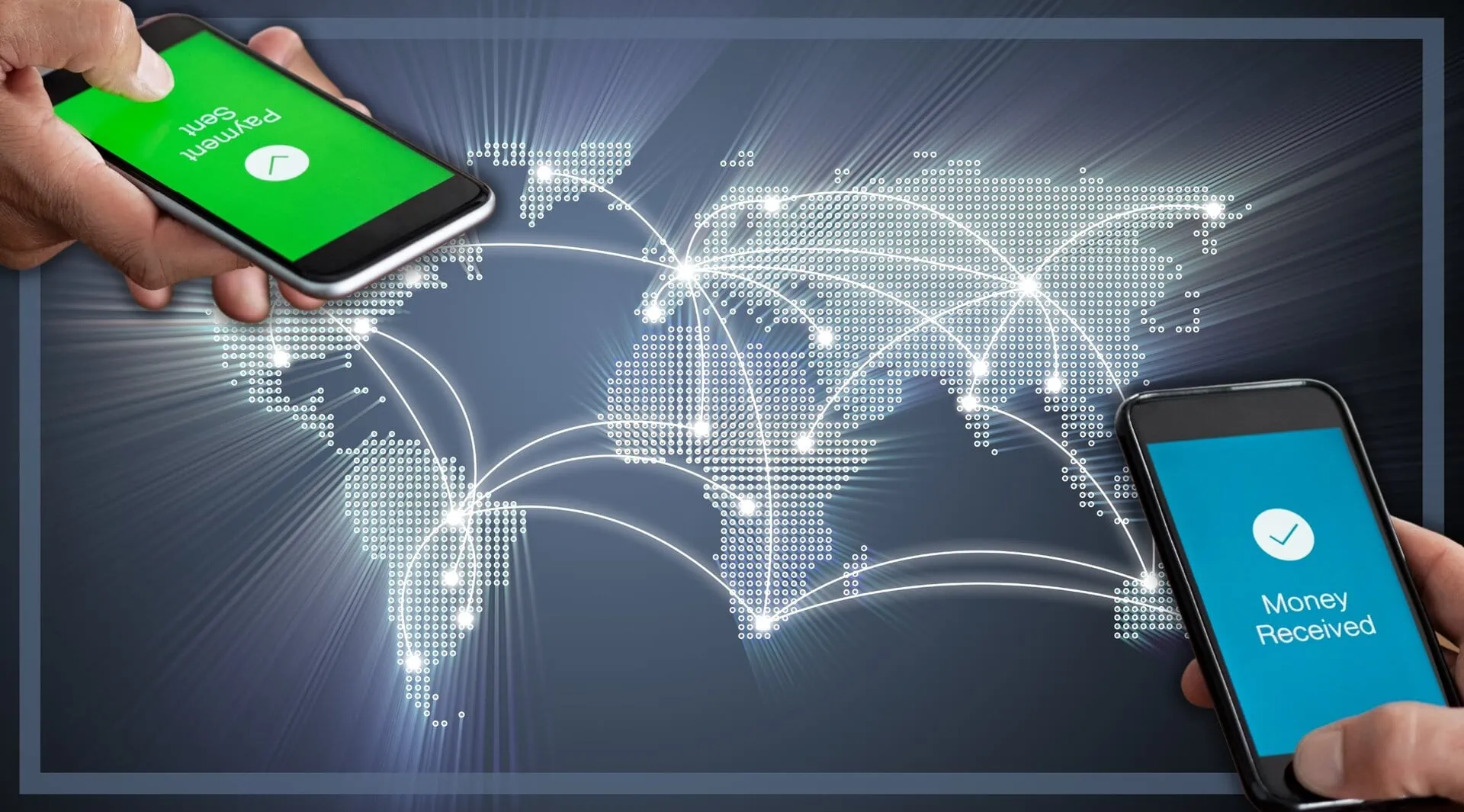
Just imagine living in a village where no bank is within reachable distance: you just cannot deposit your savings safely, nor take out loans to start up a small business, or send money to your mother who lives far from you without being robbed along the way.
Far from an isolated example, until recently, billions of people in developing countries were totally cut off from the formal financial system-the so-called “unbanked.” Then along came a smartphone, or even just a simple feature phone, and suddenly everything changed.
They proudly declare their unique connection with the feelings and sensibilities of American unions.
The Magic Key: The Cell Phone
The real revolution lies in its sheer simplicity: most people without a bank account own a mobile phone.
Traditional banks never reached these remote areas because of the huge cost involved in putting up branches and ATMs. However, mobile banking jumped over this hurdle wholly by turning the phone itself into a virtual branch that could be reached wherever there is a signal.
This is not only convenient but liberating.
- Instant Payment and Transfers: These days, any worker in town wanting to send money back home either uses a text message or an app. No longer will anyone use expensive couriers or, even worse, relatives traveling with cash that could get stolen. This is far safer and quicker, not to mention cheaper.
- Safe Savings: Instead of putting their money under the mattress and risking its being stolen or lost, people can safely store their money in their “mobile wallet.” This in turn motivates a true culture of saving.
- Microcredit at Your Fingertips: The poor had virtually no access to credit; now their history of mobile money movements serves as proof of reliability for gaining microloans to buy seeds, tools, or pay school fees.
In other words, mobile banking has given millions of people that vital sense of dignity and control over their own financial lives.
Case Study: M-Pesa in Kenya
If one were to give an example, it would be M-Pesa in Kenya, which, during the time of its launch in 2007, had very low banking penetration in the country while mobile phone adoption was quite high.
M-Pesa, Swahili for “money,” was the first to offer those three functionalities: deposit, send, and withdraw money using just your phone, by leveraging a wide-reaching network of local agents, usually small shops or kiosks. It succeeded beyond its wildest dreams: improving financial inclusion with such clear and tangible impacts on poverty reduction, especially in the empowerment of women to save and invest in their economic security by leaps and bounds. The concept later spread like a bushfire through Africa, Asia, and Latin America.
It’s Not Easy: The Road is Still Long The revolution is on, but not without bumps along the road. First, there is digital literacy: most people, especially the elderly, do not understand how to use their phones properly for extensive financial transactions. This calls for education and building of trust.
*Network Reliability: In some rural areas, internet or mobile coverage is still unstable, hence making services unreliable at the most needed moments.
Security and Regulations: Regulation needs to keep pace with this rapid innovation so that users are protected from fraud and services stable and transparent. Despite these challenges, though, the trend is crystal clear: mobile technology democratizes access to money. It’s more than just economic transactions; it is a tool of empowerment and economic growth that considerably helps in fighting global poverty.