
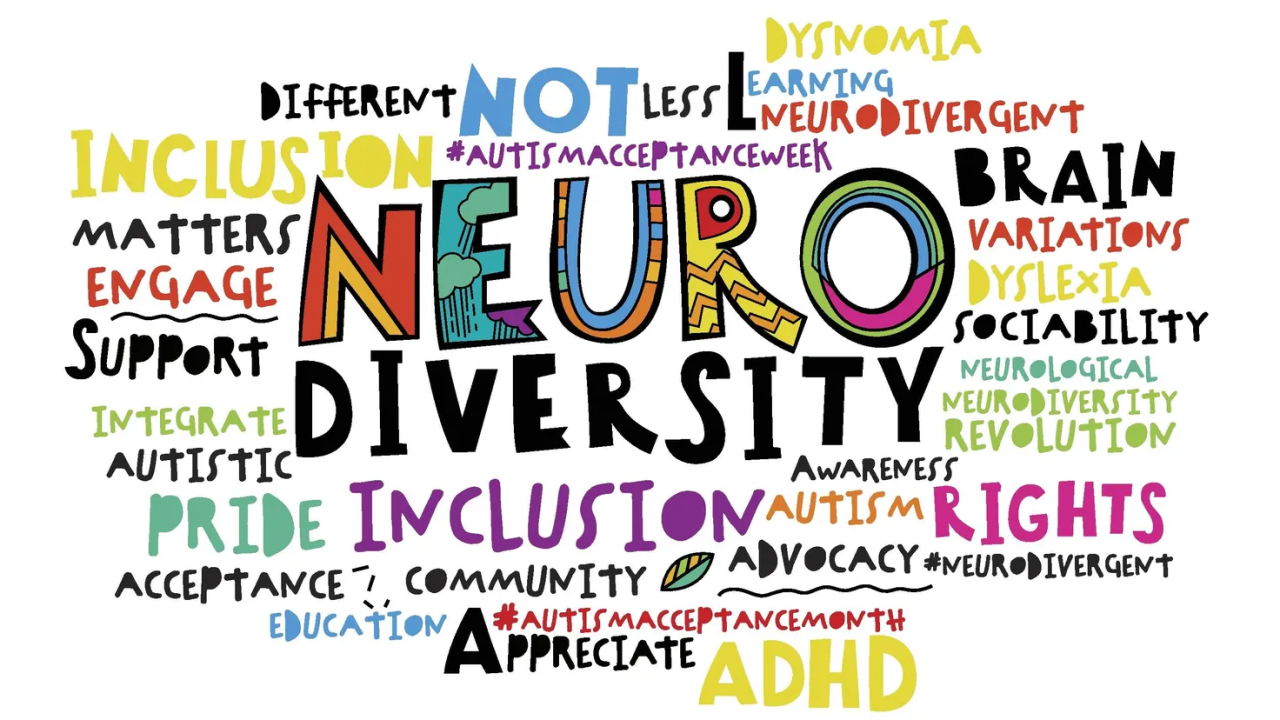
Greater representation and integration of neurodivergent groups—i.e., dyslexia, ADHD, and autism—are transforming professional practices across arts, education, and business sectors. As greater numbers of individuals gain an understanding of neurodiversity, companies recognize the benefits of embracing cognitive, communication, and collaboration variations, thus establishing inclusive workplaces for diverse thinking and capabilities.
Shattering Preconceptions and Expanding Representation
The neurodiverse have been stigmatized and marginalized or excluded for a long time and are becoming more and more likely to be segmented out of the normative workplaces and classrooms. Greater visibility through lived experience, research, and advocacy have started to reduce stigma as well as to uncover some of the strengths that encompass creative problem-solving, hyperfocusing, recognition of patterns, and difference thinking patterns.
The neurodivergent voices in media and creative industries bring new narratives and forms of communication. They provide cultural production and innovation by the deviance from the norm in order to create new forms of being and viewing.
Impact on Education and Training
Learning and training also redefine curriculum, pedagogy, and assessment in order to accept neurodivergent students. Positive school cultures also facilitate strength-based individual planning, with increased accessibility and attainment following.
These advancements percolate down to professional education, and personnel training now includes sensitivity to neurodiversity—in facilitating leaders and colleagues to accommodate differences in work and communication style.
Redefining Workplace Culture
Neurodiverse workplaces have flexible practices: sensory rooms, parallel channels of communication, and flexible workflows that allow for differences. Corporations have realized that traditional one-size-fits-all methods smother creativity and promise.
Collaborative working is effective when teams become able to work more than one cognitive style. Neurodivergent employees are best suited to excel at focused work or innovative thinking so that others’ capability can be utilized best.
Inclusion also results in improved mental health, wellbeing, and wellness because it is established that anxiety reduces and performance increases when there are neurodivergent employees in inclusive environments.
The Future of Work Collaboration
As neurodivergence becomes front and center of diversity, equity, and inclusion efforts, companies will be more and more in the business of creating a sense of community and access. This will create more active work life with multiple ideas generating creativity, problem-solving, and comprehension.
Developing neurodivergent-inclusive areas means commitment to education, policy reform, and accessibility. Finally, accepting neurodivergent voices produces not just personal satisfaction but also team achievement in art, education, and the workforce.