
Italy’s Renaissance, which lasted from the 14th to the 17th century, was, in terms of most aspects, Western world history’s most transformative era. The Renaissance, that spasm of artwork, architecture, science, and humanist literature, reconfigured Italy’s cultural heritage to an unprecedented level by comparison. The Renaissance still informs Italian identity to a fascinating degree today, as is self-evident in the way that Italians think of themselves and their place in the world.
Renaissance Art: Source of Modern Italian Beauty and Values
Renaissance art redefined the very meaning of art with the introduction of linear perspective, chiaroscuro, and sfumato, which enabled Leonardo da Vinci, Michelangelo, and Raphael to create realistic and emotive works of art. The artistic heritage covers Italian cities, museums, and society, linking modern society to a tradition that bears witness to human potential, beauty, and inbuilt intellectual genius.
Renaissance humanism—belief in individualism, mental achievement, and earthly success combined with divine belief—left contemporary Italian values of art, the individual self, and the national self. Such paintings of artistic excellence such as Michelangelo’s David and Leonardo’s Mona Lisa are more than just paintings of artistic excellence; they are symbols of Italy’s centuries-long dominance of cultural creativity.
Architectural Legacy: The Fabric of Italian Cities
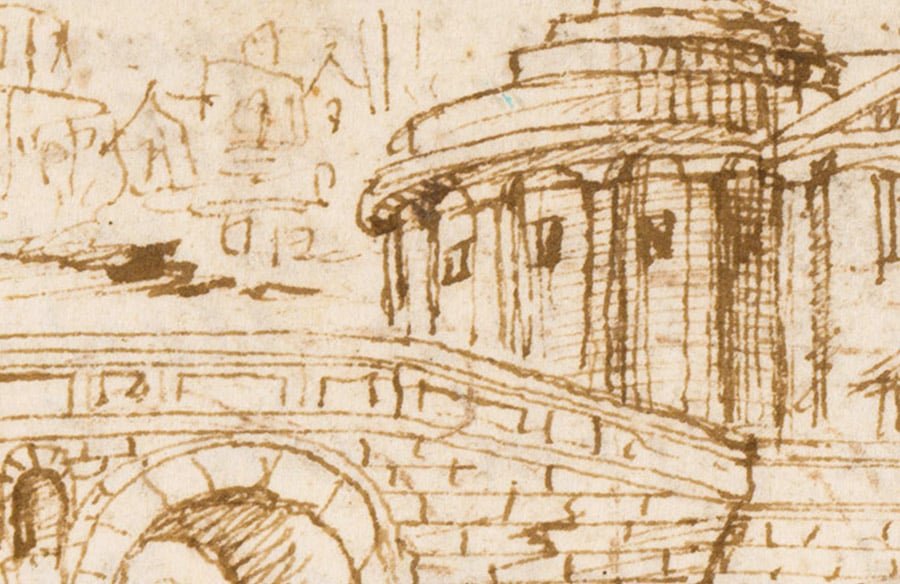
Renaissance architecture yielded to rediscovered Greco-Roman ideals of proportion, harmony, and symmetry in the eyes of Filippo Brunelleschi and Andrea Palladio. Renaissance Florence, Rome, and Venice view city life with Renaissance palazzi, piazzas, and cathedrals becoming city life.
This city legacy still affects Italian modern-day urban identity on a daily basis, public virtue and civic pride, and time positioning. Italian modern-day building and design still follows Renaissance principles and symmetry of old and new.
Cultural Identity Through Patronage and Civic Expression
It was facilitated by influential patrons like the Medici family, through whom civic duty and family heritage were transmitted in art and architecture. Due to such patronages, there is such arts sponsorship, restoration of icons, and commemoration of Renaissance culture today.
Italian identity cannot be divorced from this cultural renaissance—a national pride spilling over in education, tourism, and Italian international prestige.
The New Italian Renaissance Spirit
Aside from the art and physical dimension, architecture, Italian Renaissance emphasis on discovery, invention, and appreciation of balance remains within Italian existence. Fashion and food, as a case in point, and even modern Italian fantasy, all illustrate Renaissance ideals as far as balance and spectacle are concerned. The era’s emphasis on the convergence of art, science, and philosophy has something to say to us about the why of later Italy’s having access to arts and sciences.
Italian Renaissance architecture and art planted seeds of Italian identity in the contemporary world on humanism, fantasy, and culture. These are planted in Italian morals, schools, and cities and the Renaissance, therefore, is not a historical relic but a dynamic, shaping force within Italy’s social awareness and international cultural role today.