
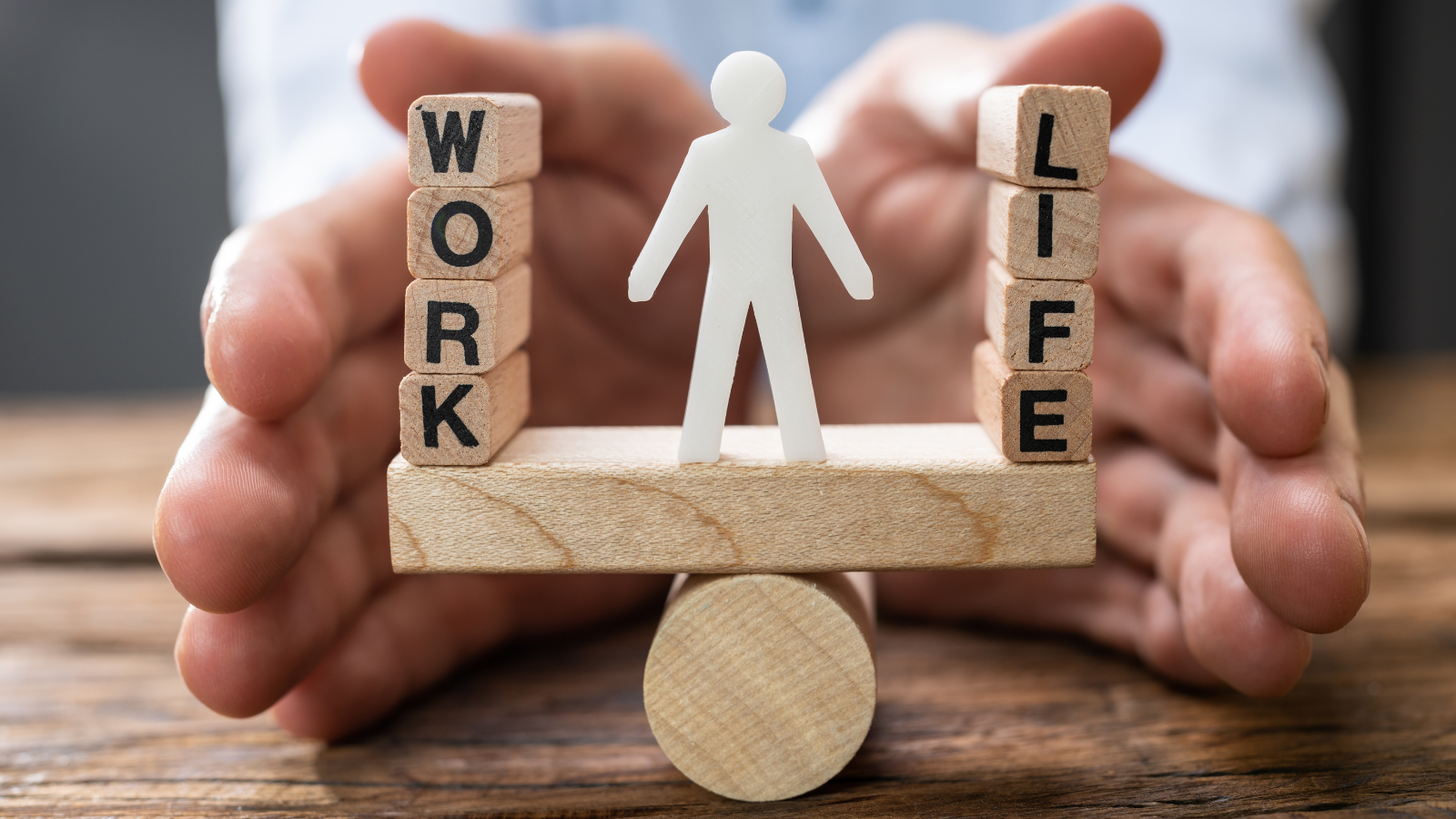
The mass rollout of remote work technology across the world has rewired the traditional work-life balance framework to a blurring of work-life blend that erases definite boundaries between work responsibility and personal life. Sociological inquiry surfaces the ways in which the transformation, driven by digital connectivity, profoundly impacts mental well-being, family life, and self-perception.
Blurred Boundaries and Mental Health
Remote technology enables around-the-clock access—employees can respond to emails, participate in meetings, or complete work whenever and wherever. While this flexibility provides autonomy, it also creates pressure to stay “on” constantly, eroding the buffer that once allowed recovery and decompression outside of worktime.
Studies have established that such boundary blurring can lead to high burnout, stress, and work disengagement problems. Inability to fully log off impacts mental health, with repercussions for ongoing productivity and general quality of life.
Changing Family Structures and Social Roles
The work-family hybrid model reshapes family life. Telework may win parents and carers more time at home but also wears away entrenched habits and role expectations. Family work intermingles with professional obligations in conflicting ways, making the care of others and the building of a home more complicated.
Other sociological research determines how simultaneous duties can be apportioned more fairly, while others succumb to potential role overload—particularly for women who perform numerous activities with unclear boundaries.
Redefining Personal and Professional Identities
Labor is no longer segmented but inscribed within identity. Regular smearing of work and life roles structures self-awareness and social relations. Individuals more and more construct multiple narratives that integrate professional achievements, personal interests, and social memberships.
But such work and life integration requires tension of identity because people must cope with conflicting needs and loss of clear psychological borders from physical separation of workplace and home.
Cultural Adjustment to the Work-Life Blend Culture
Organisations and individuals are adapting by learning coping strategies with this new culture: creating digital boundaries, adopting asynchronous communication, and enabling rituals that create entry and exit points for work time and private time. Mental health care and flexibility policy become requirements to ensure wellbeing.
At the social level, discussion of labor rights, tech design, and availability cultural norms are beginning to flex to accommodate this hybrid reality.
Conclusion
Work-life balance culture is evidence of broader technology and societal change, defying traditional shape and assumption. Sociological thought posits the struggle to manage mental health, family cohesion, and sense of self in a world where work and life constantly overlap. It is critical to comprehend and subvert these dynamics in order to create sustainable, compassionate workspaces for our information age.